
- A+
Introduction
Windows XP was released in 2001 and was widely used by businesses and individuals around the world. One of the main features of this operating system was the ability to easily connect and share resources over a network, including printers. In this article, we will explore how to set up printer sharing on a Windows XP network.
Step 1: Connect the Printer to a Computer
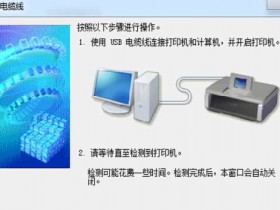
The first step in setting up a printer for sharing is to connect it to a computer. This can be done through a USB cable or network connection. Once the printer is connected and installed on the computer, it can be shared with other devices on the network.
Step 2: Enable Printer Sharing
To enable printer sharing on Windows XP, go to the Control Panel and select Printers and Faxes. Right-click on the printer you want to share and select Sharing. In the Sharing tab, check the box next to "Share this printer" and give the printer a share name. Click OK to save the changes.
Step 3: Configure Firewall Settings
If you have a firewall enabled on your computer, you will need to configure it to allow printer sharing. Go to the Control Panel and select Windows Firewall. Click on the Exceptions tab and check the box next to "File and Printer Sharing." This will allow other devices on the network to access your shared printer.
Step 4: Connect to the Shared Printer
To connect to a shared printer on a Windows XP network, go to the Control Panel and select Printers and Faxes. Click on Add a Printer and select "A network printer or a printer attached to another computer." Browse for the printer you want to connect to and select it. Follow the prompts to install the printer driver and connect to the shared printer.
Conclusion
Setting up printer sharing on a Windows XP network is a simple process that can save time and resources for businesses and individuals. By following these steps, you can easily connect a printer to a computer and share it with other devices on your network. As always, make sure to keep your network and printer security in mind to protect your data and devices.