- A+
Introduction
Nowadays, home networks have become an essential part of our daily lives. With the increasing use of mobile devices and laptops, having a printer that can be shared by multiple devices on the same network is a great convenience. However, what if you have an external printer that's not connected to your home network? No worries, in this article, we'll guide you through the process of connecting an external printer to your home network.
Step 1: Check Your Printer
The first step is to make sure your external printer is compatible with network connections. Most modern printers come with a built-in wireless or Ethernet interface. If your printer doesn't have a network interface, you can connect it to a computer that's connected to the network and share it from there.
Step 2: Connect the Printer to the Network
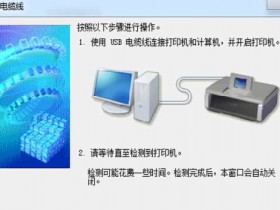
Next, connect your printer to your home network using either a wired or wireless connection. If the printer has a wireless interface, you'll need to connect it to your Wi-Fi network. The steps to connect your printer to the network may vary depending on the printer model, so you should consult your printer's manual.
Step 3: Install the Printer Driver
Once your printer is connected to the network, you need to install the printer driver on each computer that will use it. The driver allows the computer to communicate with the printer and control its functions. You can download the printer driver from the printer manufacturer's website or install it from the printer's installation CD. Make sure to select the correct driver for your printer model and operating system.
Step 4: Add the Printer to Your Computer
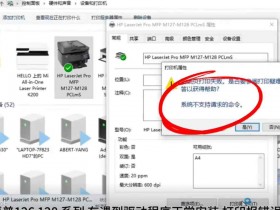
After installing the driver, you need to add the printer to your computer. To do this, go to the Control Panel and click on the "Devices and Printers" or "Printers and Scanners" option. Then click on "Add a printer" and select the option to add a network printer. Your computer will search for the printer on the network, and once it's found, you can select it and click on "Next." Follow the on-screen instructions to complete the installation.
Step 5: Test Your Printer
Finally, you should test your printer to ensure that it's working correctly. Print a test page or a document to check the printer's output quality. If you encounter any issues, double-check that you've installed the correct driver and that the printer is properly connected to the network.
Conclusion
Connecting an external printer to your home network is a fairly straightforward process once you've checked that your printer is network-enabled. With a shared printer, you can print from multiple devices on the same network without the need for cables or transferring files. This flexibility and ease of use can make a significant difference in your daily routine and save you both time and effort.