- A+
Introduction
Printing documents and images is an essential part of our daily work, school or personal life. However, the process of installing and setting up a printer driver on Windows can be challenging, especially if you're not familiar with the technicalities involved. In this guide, we'll provide you with easy-to-follow steps to install and set up a printer driver on your Windows computer.
Step 1: Determine Your Printer Model
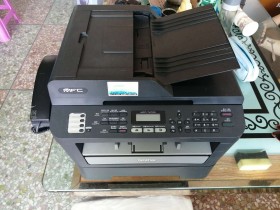
Before you can install the printer driver, you need to know the model of your printer. This is important because not all printer drivers are compatible with all printers. You can find the model number of your printer by checking the label on the printer itself or the original packaging that came with it.
Step 2: Download the Printer Driver
Once you've determined the model of your printer, you can download the printer driver from the manufacturer's website. Make sure to download the driver that is compatible with your operating system. For instance, if you're using Windows 10, download the driver that is compatible with Windows 10.
Step 3: Install the Printer Driver
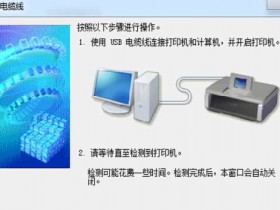
After downloading the driver, double-click the file to start the installation process. Follow the on-screen instructions to install the driver. You may be asked to connect your printer to the computer during the installation process. If so, connect the printer to the computer using a USB cable or via the Wi-Fi network, depending on the type of connection your printer supports.
Step 4: Set Up the Printer
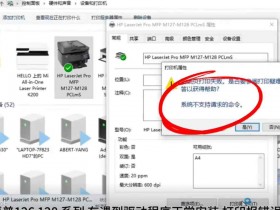
Once the driver is installed, you need to set up your printer to start printing. To do this, go to 'Settings' on your computer and select 'Devices'. Click on 'Printers and Scanners' and then click 'Add a printer or scanner'. Your computer will search for available printers automatically. If your printer is not detected, you can add it manually by entering the IP address of the printer or selecting it from the list of available printers.
Step 5: Configure Printer Preferences
After adding the printer, you can configure the printer preferences such as the default paper size, quality, and color options. To do this, right-click on the printer icon and select 'Printer properties'. From here, you can access the printer preferences and make changes as needed.
Conclusion
Installing and setting up a printer driver on Windows may seem like a daunting task, but it doesn't have to be. By following these simple steps, you can quickly and easily install and set up your printer driver, allowing you to start printing documents and images in no time. Remember to check the compatibility of your printer driver with your operating system before downloading and installing it.